
Why Doing Less Is Sometimes the Fastest Way Forward
Kai Turner | The Better Method

Not everything grows faster when you push it.
There’s a nervous kind of productivity that doesn’t look like panic… but it feels like it.
It’s the urge to tighten everything up.
To respond faster.
To plan harder.
To fix the feeling by doing “one more thing.”
And the wild part is—most of the time, that version of “more” isn’t progress.
It’s pressure.
Because there’s a difference between forward motion and forward anxiety.
One builds a life. The other burns one down while pretending it’s ambitious.
Sometimes the fastest way forward is doing less—not because you’re lazy, but because your nervous system is running the show. And no matter how disciplined you are, a dysregulated mind will always turn your life into a sprint.
The truth nobody wants to admit
If you’re constantly rushing, it’s not always because you’re behind.
It’s often because you don’t feel safe being still.
Stillness creates space.
Space creates truth.
And truth usually asks you to change something real—like boundaries, priorities, or who you keep trying to impress.
So instead, we fill the silence with movement.
Doing less isn’t giving up. It’s letting the seeds grow.
When you plant something—habits, healing, a relationship, a business—you don’t speed up growth by digging it up every day to check on it.
You speed it up by doing the boring, mature thing:
water it consistently
protect it from chaos
and let time do what time does
If you’ve been planting seeds lately (new routines, content, leadership growth, mental health work)… part of your job now is to stop hovering.
Not everything needs your constant involvement.
Some things need your patience.
The hidden trap: people-pleasing productivity
A lot of “hustle” is just approval-seeking with a schedule.
You say yes because you’re dependable.
You over-explain because you’re “nice.”
You respond instantly because you don’t want someone to think you don’t care.
But here’s the cost:
You stay busy doing everyone else’s priorities… and wonder why your own life feels stalled.
Doing less sometimes means:
letting someone be disappointed
letting a message sit
letting the room be awkward
letting your “nice” reputation loosen a little
Because peace doesn’t come from being liked.
It comes from being aligned.
The journey is the destination (and your nervous system knows it)
That anxious mind wants the finish line because it thinks the finish line is safety.
“I’ll relax when…”
“I’ll feel confident when…”
“I’ll be happy when…”
But you don’t arrive at peace.
You practice it.
You build it.
You repeat it until it becomes normal.
So here are practical exercises—step by step—to slow down the rushing mind without losing your edge.
Reset Exercise #1: The “3-Speed Switch” (5 minutes)
Purpose: Stop living in one speed (GO) and teach your brain you can downshift on command.
Name your current speed:
Speed 1 = calm
Speed 2 = focused
Speed 3 = rushed / frantic
Say: “I’m at Speed ___.”
Downshift physically (30 seconds):
drop shoulders
unclench jaw
place feet flat
exhale long once
Pick your next speed intentionally:
Ask: “What speed does this moment actually require?”
Choose Speed 1 or 2.Act from that speed for the next 5 minutes.
That’s it. You’re training the system, not solving your whole life today.
Repeat: 3 times a day for one week.
This is how your body learns: repetition, not insight.
Reset Exercise #2: The “Not Now” List (10 minutes)
Purpose: Reduce mental noise without abandoning your goals.
Write a quick list of everything your mind is trying to carry right now (brain dump).
Draw two columns:
Now (next 24 hours)
Not Now (later)
Put only three things in “Now.”
Not ten. Not “everything important.”
Three.Everything else goes into “Not Now”—and here’s the key:
assign it a date (even if it’s rough).
Example: “Website edits — Tuesday 7pm.”
Your mind relaxes when it knows it won’t be forgotten.
Reset Exercise #3: The People-Pleaser Boundary Script (30 seconds)
Purpose: Stop leaking energy without starting a fight.
Use one of these, word-for-word:
“I can’t commit to that right now, but I appreciate you thinking of me.”
“I’m at capacity this week. If anything opens up, I’ll reach out.”
“I’m not able to do that, but I hope it goes well.”
No over-explaining.
No apology tour.
No justification thesis.
Practice it in the mirror once a day for 7 days.
If you can’t say it calmly alone, you won’t say it calmly under pressure.
Reset Exercise #4: The “Do Less Day” Protocol (45–90 minutes)
Purpose: Give your system a real reset instead of “rest” that’s secretly more work.
Put your phone on Do Not Disturb (yes, really).
Set a timer for 45 minutes.
Do ONE low-stimulation activity:
slow walk (no podcast)
drive with no music
stretching
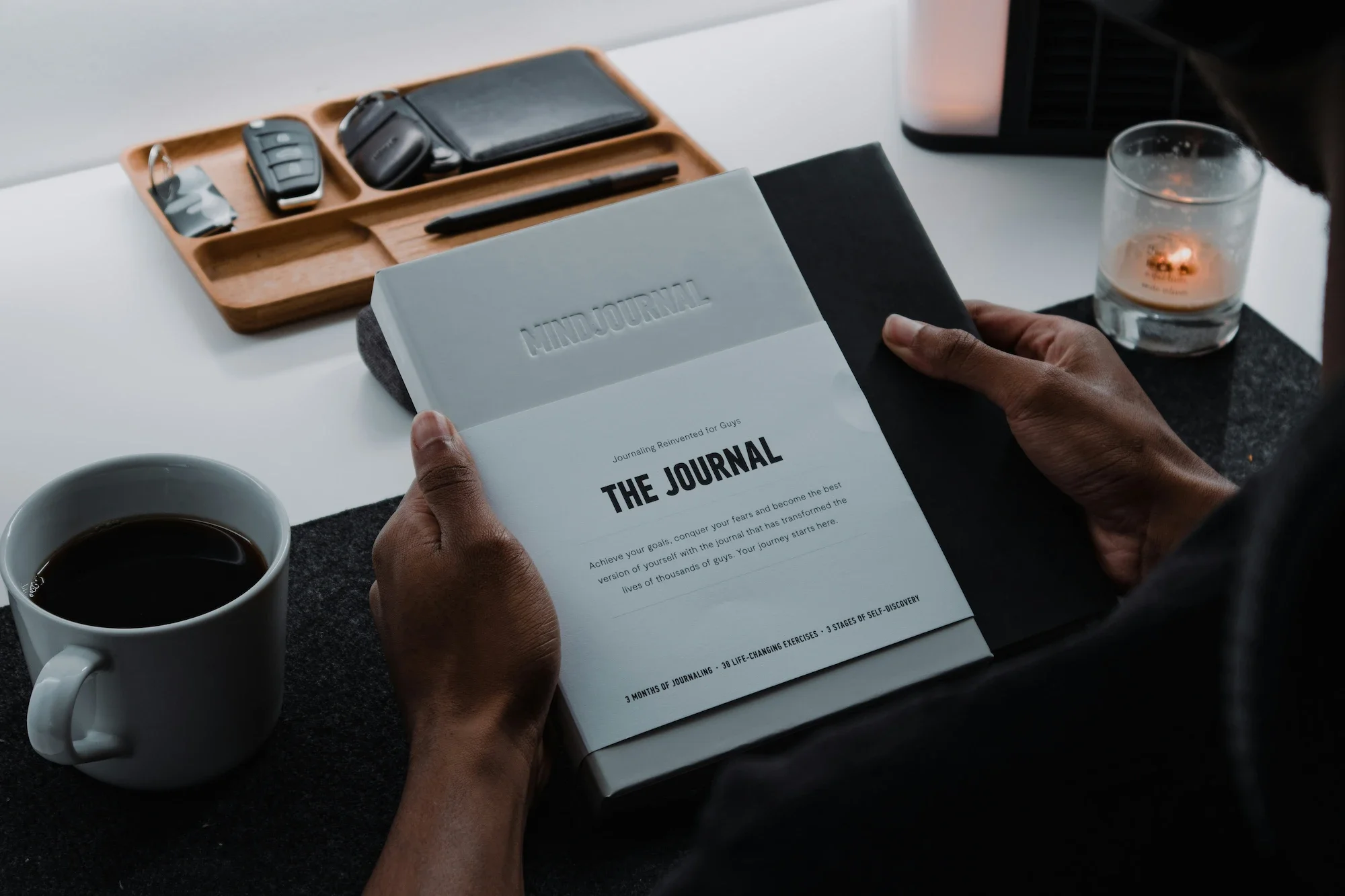
journaling
sitting in a café without scrolling
When the timer goes off, write one sentence:
“Right now, my mind is rushing because ______.”
“What I actually need is ______.”
That’s how you turn rest into direction.
Reset Exercise #5: The Long-Term Lens (5 minutes)
Purpose: Pull yourself out of urgency and back into strategy.
Answer these three questions:
Will this matter in 6 months?
What would the calm version of me do here?
What seed am I already growing that I need to stop disturbing?
You’re not “falling behind.”
You’re learning to build without panic.
The real flex: calm consistency
Most people aren’t failing because they aren’t capable.
They’re failing because they’re in a permanent state of urgency.
And urgency makes you:
impatient with growth
reactive in relationships
addicted to constant progress signals
exhausted by your own standards
Doing less isn’t shrinking your life.
It’s stopping the leak.
Because once your energy stops bleeding out everywhere—into everyone, into anxiety, into rushing—you suddenly have enough power to move the needle where it actually counts.
A simple challenge (start today)
For the next 24 hours:
Respond slower.
Say “no” once without explaining.
Do one thing at Speed 2 instead of Speed 3.
Let one seed grow without checking it.
That’s not quitting.
That’s leadership—over your own mind.
If this hit you, save it.
Not because it’s poetic.
Because you’re going to want to forget it the next time your anxiety tries to call itself ambition.
A Small Tool for Learning to Downshift
If slowing your mind feels harder than slowing your body, having one physical cue can help your nervous system get the message. A simple weighted blanket or shoulder wrap creates gentle, grounding pressure that tells your body it’s safe to come out of “go mode.”
It’s not about comfort as an escape.
It’s about teaching your system what calm actually feels like—so it can recognize it again.
I’ve linked one option below that’s easy to use during your Do Less Day, journaling, or even while watching something at night. Sometimes the fastest way to move forward is giving your body proof that it doesn’t have to rush to be okay.

I’m Kai Turner.
I write about Health and wellness in our modern fast paced, technology driven society.



















By Kai turner