
Millennials: We Were Promised a Life That Never Arrived
By Kai Turner
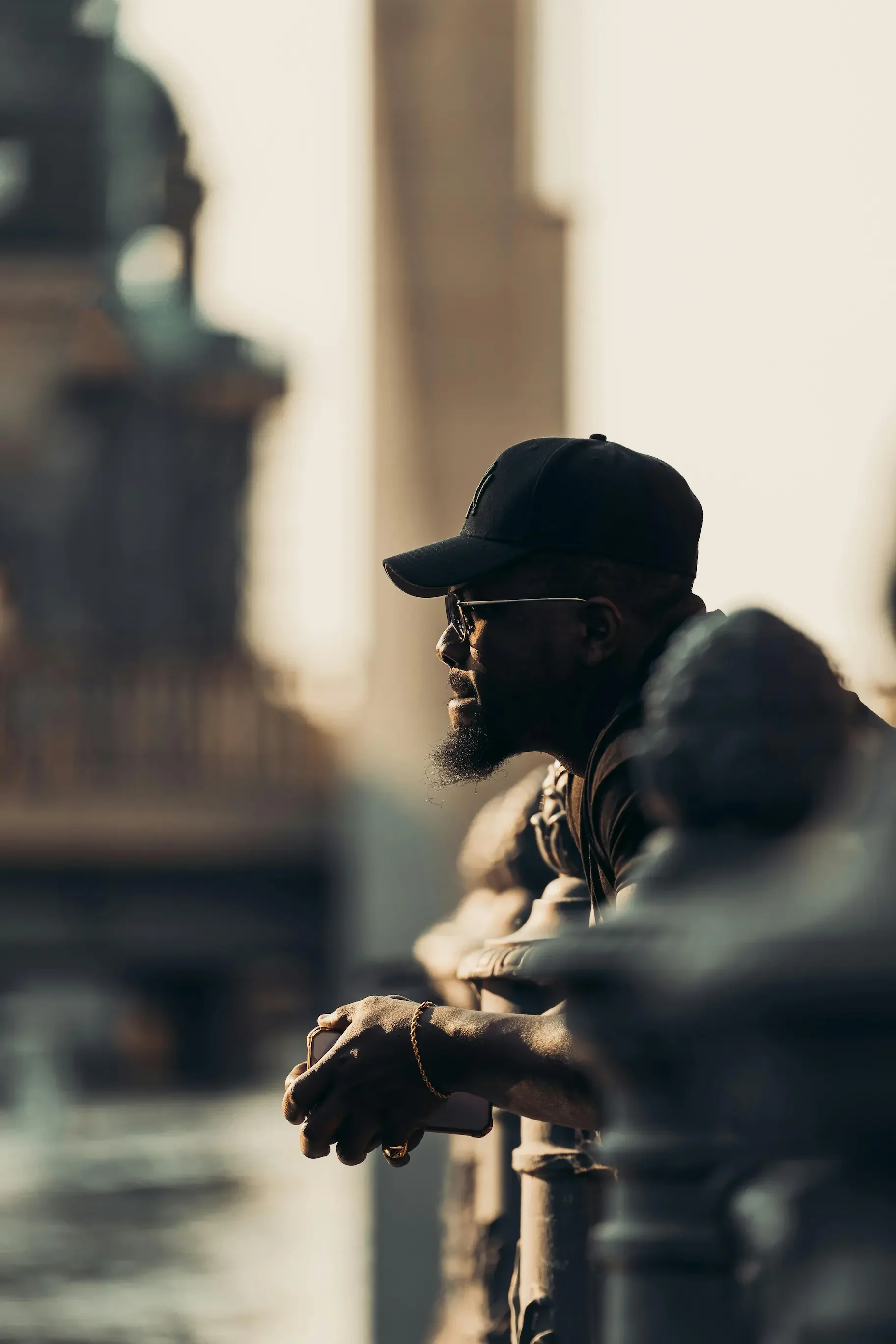
A generation pausing long enough to feel what was lost — and what still remains.
We grew up believing the world made sense.
Not because it was perfect — but because it felt stable. Predictable. If you worked hard, played fair, and stayed out of trouble, life would eventually open its doors to you.
We were kids in the ’90s.
Outside until the streetlights came on.
Bikes tossed in the grass.
GoldenEye on the Nintendo 64, arguing over who picked Oddjob.
No cameras. No feeds. No pressure to perform our lives for approval.
We weren’t rich. We weren’t naive.
But the world felt solid.
And somewhere inside that simplicity, a promise took root.
Grow up.
Work hard.
Build something steady.
Have a family if you want.
Live a life that makes sense.
It wasn’t luxury we expected — just stability. A fair shot. A future that felt reachable.
That promise didn’t come from nowhere.
It was reinforced by teachers, parents, movies, politicians, culture itself.
The message was consistent: If you do your part, life will meet you halfway.
Then we grew up.
And history didn’t let us breathe.
We were barely old enough to understand the world when 9/11 tore it open.
We watched adults panic while pretending everything was under control.
We learned early that safety was fragile — and temporary.
Then came the wars.
Then the fear cycles.
Then the 2008 financial collapse — right as many of us were stepping into adulthood.
We did everything we were told to do… and watched the floor disappear anyway.
Careers evaporated.
Debt replaced opportunity.
Stability became something only other people seemed to inherit.
And just as some of us were finally finding our footing, the world broke again.
A global pandemic.
Isolation.
Loss.
Anxiety we didn’t have words for.
Work moved into our homes.
Rest disappeared.
Time blurred.
Then came inflation — quietly erasing what little progress many had clawed back.
It wasn’t one crisis.
It was stacked crises, back to back, with no recovery in between.
And through it all, we were told to adapt.
To be grateful.
To stay positive.
To “build resilience.”
So we did.
We became flexible.
Emotionally literate.
Hyper-aware.
Exhaustingly self-sufficient.
We learned to survive uncertainty like second nature.
But surviving isn’t the same as living.
That’s the part people don’t always see.
Millennials aren’t tired because we’re weak.
We’re tired because we’ve been carrying instability for decades.
We were shaped by collapse, then expected to function like nothing happened.
We were told to dream big — then punished for believing it.
We were sold a future that kept changing its terms, and somehow we’re still expected to smile through the whiplash.
This isn’t burnout.
It’s grief.
Grief for the version of life we were told to prepare for.
Grief for the sense of safety we never quite got to stand on.
Grief for how much resilience was demanded of us before we ever had time to just be young.
And still — we’re here.
Not broken.
Not lazy.
Not incapable.
Just deeply aware.
Aware that something fundamental shifted.
Aware that the old rules don’t apply.
Aware that pretending everything is fine is no longer an option.
Maybe that’s why so many of us feel restless now.
Not because we’re lost — but because we’re finally telling the truth.
The truth that the life we were promised never arrived.
And the truth that whatever comes next has to be built with clearer eyes, stronger boundaries, and a deeper respect for what we’ve already survived.
We didn’t imagine the struggle.
We lived it.
And if there’s anything left to reclaim, it’s this:
We get to decide what comes next — not from illusion, but from honesty.
But here’s the part we don’t talk about enough.
Surviving all of that changed us — yes — but it also gave us something rare.
Perspective.
We learned how fragile systems can be.
How quickly certainty dissolves.
How little control we actually have — and how much meaning we can still create inside that truth.
We’ve seen what doesn’t work.
We’ve felt the cost of chasing things that never loved us back.
And because of that, many of us are no longer chasing noise for the sake of belonging.
We’re choosing differently now.
Not louder.
Not faster.
Just truer.
We’re learning that success doesn’t have to look like burnout wrapped in status.
That a meaningful life doesn’t need constant validation.
That peace, when it finally arrives, is worth protecting — even if it looks quieter than we imagined.
There’s a kind of strength that only comes from having everything shaken and still choosing to stand.
A maturity that doesn’t announce itself.
A clarity that doesn’t need to convince anyone.
We’re starting to build lives that feel human again.
Lives with rhythm instead of urgency.
Connection instead of performance.
Enoughness instead of endless wanting.
And maybe that’s the quiet gift of everything we’ve lived through.
We don’t need to chase a dream that never existed.
We get to create something more honest — shaped by what we now know about ourselves, about the world, and about what actually matters.
Not a perfect life.
Not an impressive one.
But one that feels real when we wake up in it.
And maybe that’s the kind of life worth growing into.
Did You Know Tamagotchis Are Still a Thing?
I didn’t — until I saw one recently and felt that instant pull back to the ’90s.
The beeping.
The pixel screen.
The tiny responsibility that somehow mattered.
Tamagotchis never needed updates, algorithms, or an audience. You fed it, checked in, and then went back to living your life. No optimization. No performance. No pressure to turn play into productivity.
Seeing them still around feels like a quiet reminder of a time when attention was simpler — and fun didn’t have to justify itself to exist.
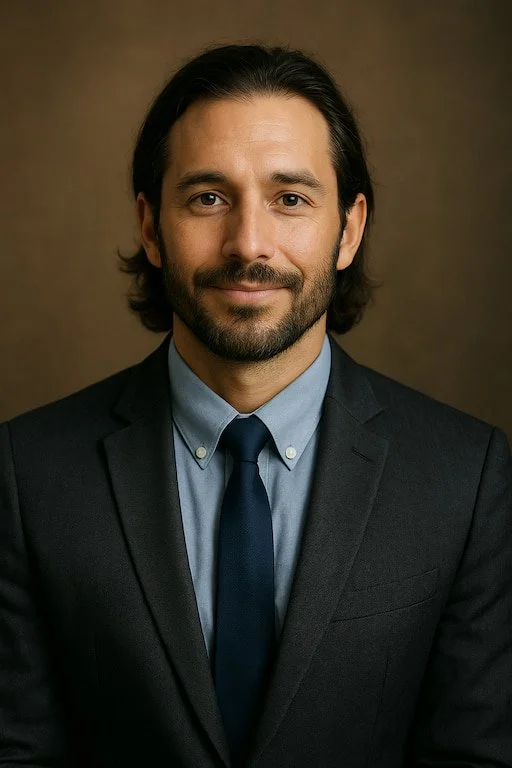
I’m Kai Turner
I write about the quiet ways modern life pulls us away from ourselves — and what it takes to come back.
Not through motivation or hacks, but through honesty, presence, and a willingness to question what we’ve been told is normal.
If something here resonated, you’ll find more reflections like this throughout the blog.
You can also explore the shop for pieces created with the same intention — or subscribe to stay connected as this conversation continues.





The Millennial Timeline. If this makes you nostalgic you might be a millennial…
🌱 Childhood (late 80s–mid 90s): Safety, Simplicity, Imagination
These carry warmth, grounding, and innocence.
TV & Media
Rugrats
Hey Arnold!
Doug
The Magic School Bus
Reading Rainbow
Wishbone
Full House
Boy Meets World
The Fresh Prince of Bel-Air
Games & Tech
Nintendo 64
Super Nintendo
Game Boy Color
Sega Genesis
Dial-up internet (that sound lives in our bones)
VHS tapes and rewinding before returning
Cultural Feel
Playing outside until the streetlights came on
Riding bikes with no destination
Saturday morning cartoons
Hand-me-downs and shared snacks
Life before notifications
Emotional theme:
Safety without awareness. Freedom without pressure.
🧭 Pre-Teen / Teen Years (Late 90s–Early 2000s): Identity Begins
This is where self-awareness and vulnerability start forming.
Music
Blink-182
Linkin Park
Eminem
Destiny’s Child
TLC
Avril Lavigne
Outkast
Movies / TV
The Matrix
Titanic
American Pie
10 Things I Hate About You
TRL on MTV
Tech & Culture
AIM / AOL Instant Messenger
MySpace top 8 drama
Burning CDs
LimeWire chaos
First cell phones (no internet)
Emotional theme:
Identity forming, belonging matters, emotion starts getting loud.
🌪️ Young Adulthood (2000–2010): Disruption Begins
This is where things quietly start to fracture.
Cultural Moments
9/11 (loss of innocence)
The War on Terror
2008 financial crash
College debt explosion
Tech Shifts
Facebook becoming mandatory
Smartphones entering daily life
“Being online” becoming expected
Emotional Reality
Promises of success start cracking
Hustle culture begins creeping in
Anxiety becomes normalized
Emotional theme:
Trying to build a future on unstable ground.
🌫️ Adulthood (2010–2020): Survival Mode
This is where most millennials feel the weight.
Cultural Markers
Instagram perfection culture
Hustle culture / grind mentality
Side hustles becoming survival
Burnout disguised as ambition
Economic Reality
Housing becoming unreachable
Wages stagnating
Healthcare anxiety
Gig economy exhaustion
Emotional Tone
“I’m doing everything right… why am I still behind?”
🌑 Recent Years (2020–Now): The Reckoning
Shared Trauma
COVID isolation
Loss of routine and safety
Political chaos
Rising costs of living
Collective grief with no pause
Emotional Shift
Emotional fatigue
Disillusionment
A quiet refusal to keep pretending
Theme:
Survival is no longer enough.
By Kai turner