
🌿 When Your Body Leaves Survival Mode: Why Exercise, Energy, and Even Your Heart Rate Can Suddenly Feel Different
by Kai Turner | The Better Method

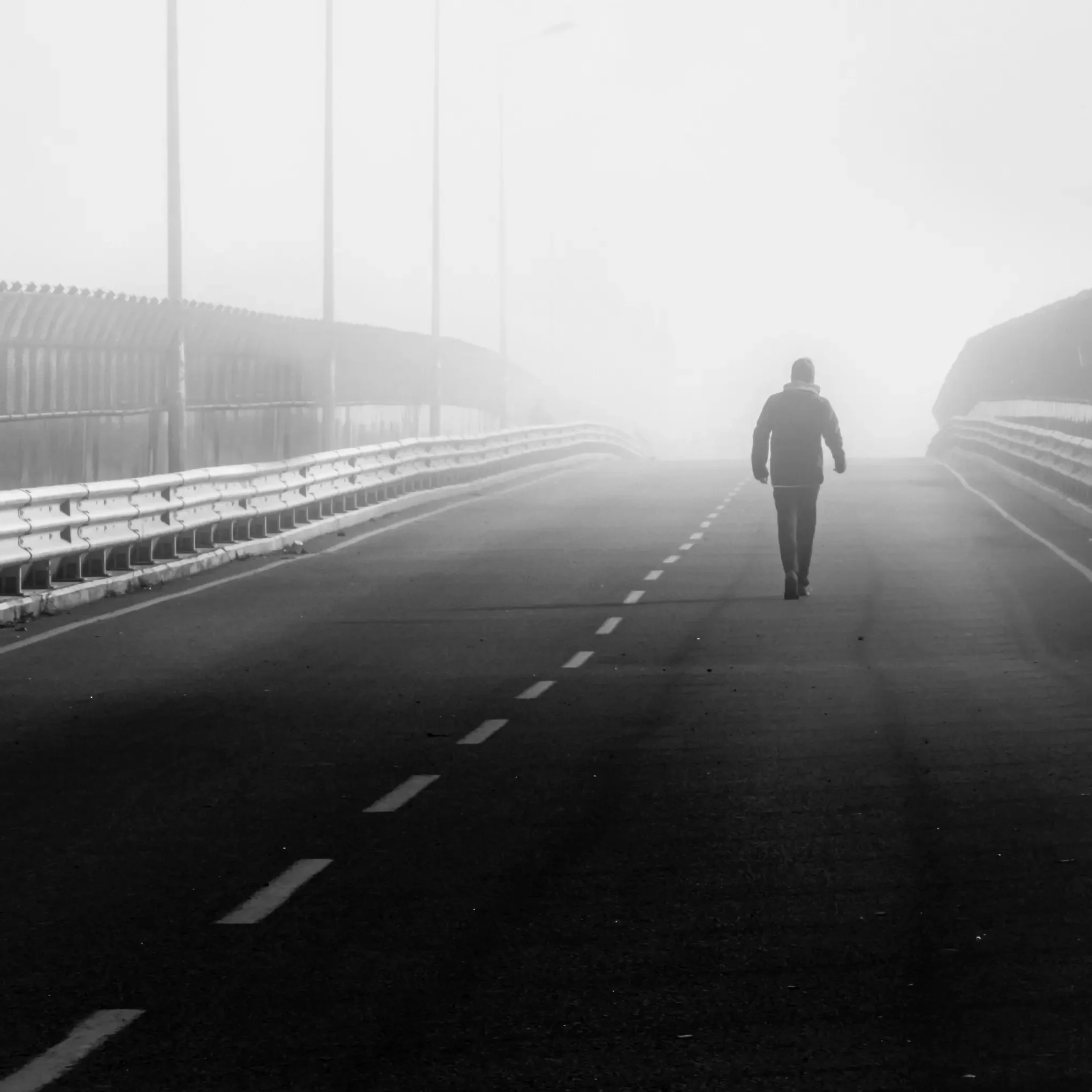
Movement without urgency — the moment your body shifts from adrenaline to real, regulated energy.
.
Most people think getting healthier means feeling instantly more energized, motivated, lighter, clearer, and ready to “take on the world.”
But sometimes the opposite happens first.
You finally start treating a long-standing issue — thyroid problems, low iron, chronic stress, or years of white-knuckling your way through life — and suddenly the world goes quiet.
Your body slows down.
You don’t feel that old surge that used to push you into action.
A simple treadmill walk leaves you… peaceful. Even sleepy.
Your heart rate jumps higher than you expect during mild exercise.
And somehow — even though you’re less active — your weight goals become easier to hit with far less effort.
If that’s happening to you, this article is for you.
Because I lived it.
And the science behind it is one of the most fascinating things I’ve ever learned about the human body — and what it does to keep us alive.
🔥 My “Two Different Bodies” — Before and After Thyroid Treatment
For a long time, I didn’t know my body was running on survival mode.
All I knew was this:
I could hike for 8–9 hours and feel clear and alive the whole time.
My resting heart rate was 43 bpm.
I almost never felt tired while I was moving.
But the second I stopped moving?
I crashed. Hard.
I didn’t know it then, but this is a classic signature of a metabolism running on adrenaline instead of thyroid-driven energy.
When thyroid levels are low, the body often compensates by using:
adrenaline
norepinephrine
cold exposure
movement-driven dopamine
as a substitute energy system.
It feels amazing in the moment — like you’re a character in your own story, out on some epic journey — but it’s a false kind of energy.
It’s survival energy.
And then I started treatment.
🌡️ After Medication: A Body Returning to “Human Mode”
Once thyroid hormone normalized, my whole physiology shifted.
My resting heart rate jumped into the 70s — which is actually normal for an adult male.
But it felt strange, because I’d lived in the 40s and 50s for so long.
I suddenly didn’t crave long, cold hikes or 30-mile bike rides.
I didn’t wake up feeling the old “push” to move.
I wasn’t mentally clenched in that survival focus anymore.
I felt calm.
Warm.
Sleepy after workouts.
Peaceful.
Which, in a weird way, made me agitated, because I wanted my body to “wake up” and give me the old fire.
But the old fire was adrenaline.
And adrenaline was no longer running the show.
🧬 The Science: Survival Mode vs Regulated Physiology
Let’s break down the physiology in plain language.
Before Treatment: Survival Energy System
Low thyroid = low metabolism
Low ferritin = poor oxygen transport
Body compensates with adrenaline
Adrenaline = long endurance, low heart rate, mental clarity only during movement
Stillness = crash
Movement = temporary “I feel alive”
This is the physiology of migratory animals and humans in seasonal scarcity.
It’s not fitness — it’s adaptation.
After Treatment: Normal Human Energy System
Thyroid drives metabolism again
Heart responds normally to exertion
Exercise feels like exercise
Rest feels like rest
The body asks for recovery instead of constant motion
Your heart rate rises faster because the right system — the metabolic system — is finally powering the engine.
Your nervous system shifts from:
survival → healing
And that feels very different.
⚖️ The Weight-Gain Shock (and Why It Wasn’t Actually Failure)
This part confused me the most.
When I first started thyroid meds, I actually gained weight quickly — going from 150 to 186.
But here’s what was happening:
my blood volume was expanding
my muscles were refilling glycogen
my tissues were hydrating
my metabolism was rebooting
my appetite was in “rebuild mode”
This is post-starvation recovery physiology, and it's well-documented:
When your body exits a low-metabolic state, it aggressively restores:
hydration
electrolytes
protein stores
fat stores
thyroid hormone receptors
The weight I gained wasn’t a failure or loss of discipline — it was recovery weight, the body repairing what had been suppressed.
And the proof?
Once things stabilized, I was able to return to 159 lbs through deliberate dieting — not forcing extreme exercise, not starving myself, and not chasing adrenaline-driven movement.
My body was no longer fighting me.
Weight became responsive again.
🧠 The Emotional “Thawing” Phase
The weirdest part of this whole experience wasn’t physical — it was emotional.
When the adrenaline dropped…
I suddenly felt more.
Not in a dramatic way — but in a “the world feels closer” way.
I was more aware.
More open.
More sensitive to quiet.
More in touch with thoughts and feelings I used to outrun with motion.
This is common.
When your nervous system finally feels safe:
It starts processing what it couldn’t access during survival mode.
That can feel like:
nostalgia
softness
sensitivity
introspection
a gentle emotional rawness
the need for music or comfort
It’s uncomfortable in moments — but it’s also healing.
🚶♂️ So… What Should You Do If You’re in This Phase?
Here’s what worked for me (and what the science supports):
✔️ 20–30 minute walks
Low intensity.
Daily if possible.
Let your HR rise normally — don’t fight it.
✔️ No more chasing adrenaline spikes
They kept me alive when my thyroid was low.
They’re not the fuel source I need anymore.
✔️ Give your body permission to be calm
Calm is not laziness.
Calm is regulation.
✔️ Use “micro activation” instead of routine pressure
One tiny step → not a whole morning sequence.
Examples:
put on shoes
start coffee
stand outside for 60 seconds
play one song
Let momentum build gently.
✔️ Understand that sleepiness after exercise is normal at first
Your body is transitioning from a suppressed metabolism → a normal aerobic metabolism.
✔️ Expect your exercise heart rate to normalize over months
As you build a real aerobic base, your workout HR will lower — the healthy way.
🌄 Final Thoughts: You’re Not Broken. You’re Recalibrating.
If any of this sounds like your story — the weight rebound, the emotional sensitivity, the shift in exercise response, the peaceful drowsiness, the loss of “quest mode,” the rising heart rate during mild activity…
You’re not regressing.
You’re transitioning out of survival physiology and into a regulated one.
It feels unfamiliar because your old “normal” was never normal.
It was adaptive.
The new you — the regulated one — is finally living with real energy instead of emergency fuel.
And that’s the version you build the rest of your life with.
You’re not losing yourself.
You’re returning to yourself.
Reinforcing Safety During Recovery
When your body begins to exit survival mode, progress often looks quieter than expected.
Less urgency. More softness. A stronger need for rest.
During this phase, the goal isn’t to push your system forward — it’s to help it feel safe enough to stay regulated.
One small support that helped me was a weighted blanket. The steady, gentle pressure gives the nervous system a clear signal: nothing needs to be fixed right now. Especially at night, when the body is doing most of its repair work, that sense of physical grounding can make rest feel deeper and more settled.
It’s not a solution or a shortcut.
Just a calm, practical way to reinforce safety while your body finishes recalibrating.

I’m Kai Turner.
I write about nervous system regulation, modern burnout, and what it actually looks like to return to a calmer, more human pace of life.











By Kai turner