Stop Being “The Strong One.” It’s Not Noble — It’s Avoidance.
By Malik Jordan
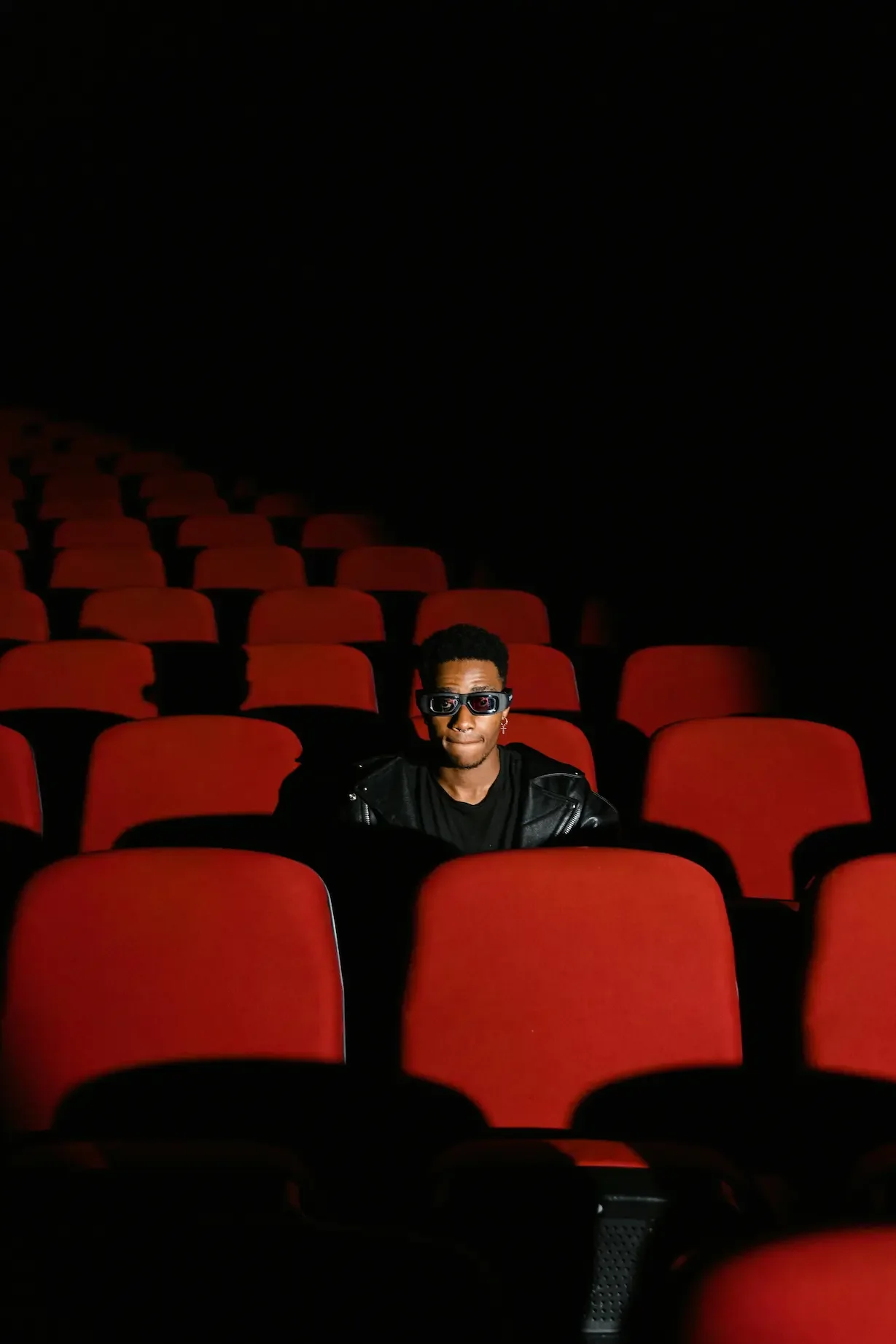
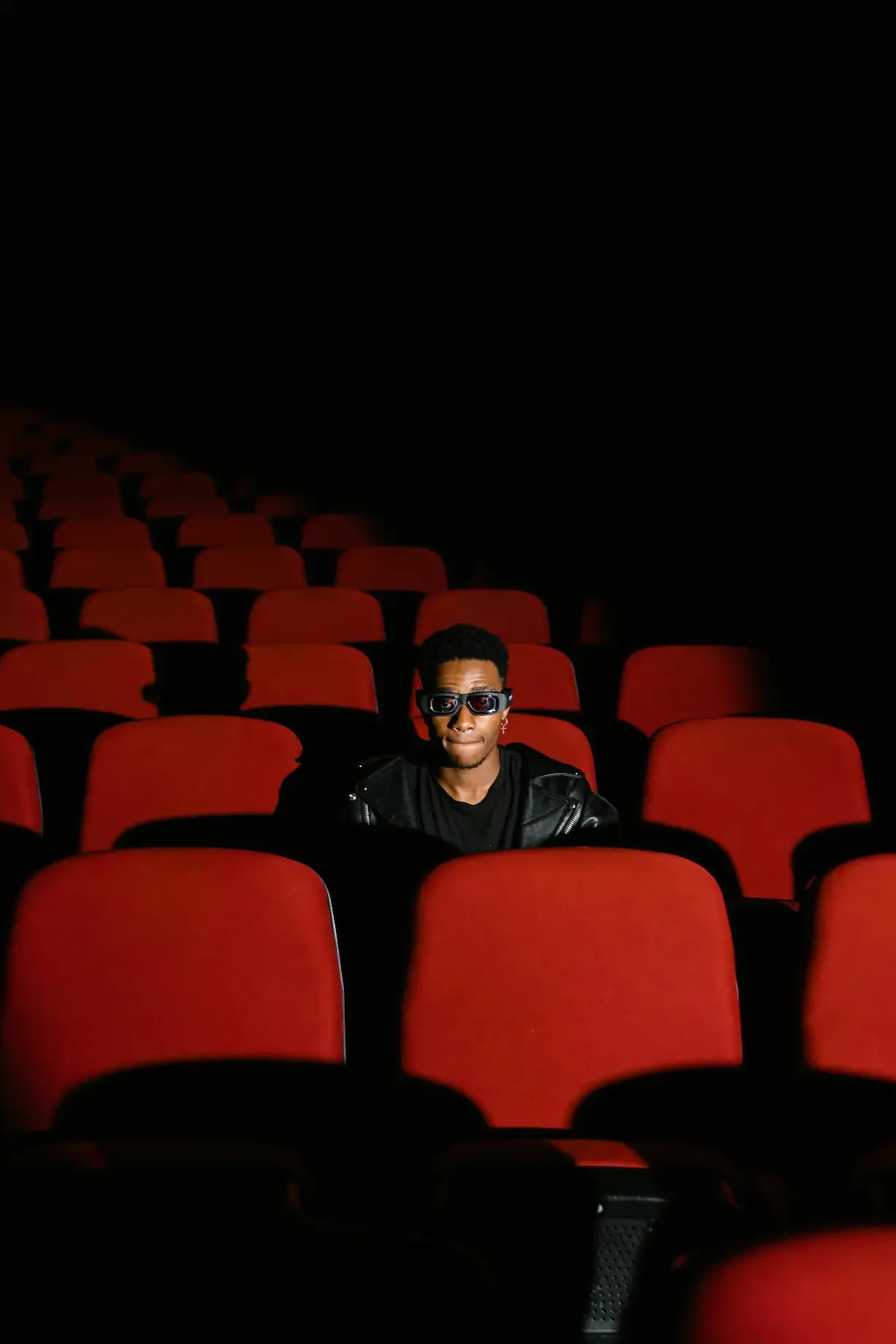
Being surrounded by people isn’t the same as being seen.
I’m going to say the thing everyone tiptoes around.
Being “the strong one” isn’t always strength.
A lot of the time?
It’s fear with good PR.
Let’s get something straight first.
Yes — some of you had to grow up fast.
Yes — some of you carried weight no one else could handle.
Yes — strength kept things from falling apart.
That part is real.
But here’s the part you don’t want to look at:
At some point, strength stopped being survival and started being an excuse.
The strong one controls the room.
You don’t cry.
You don’t ask.
You don’t need help.
And everyone learns the rules quickly:
Don’t worry about them
They’ve got it handled
They’ll speak up if they need something
So no one checks.
Not because they don’t care —
but because you trained them not to.
Being the strong one lets you avoid something uncomfortable.
Vulnerability.
Because vulnerability means:
Someone might disappoint you
Someone might see you clearly
Someone might not show up the way you hoped
And if you’ve been let down before?
Strength feels safer.
Predictable.
Controlled.
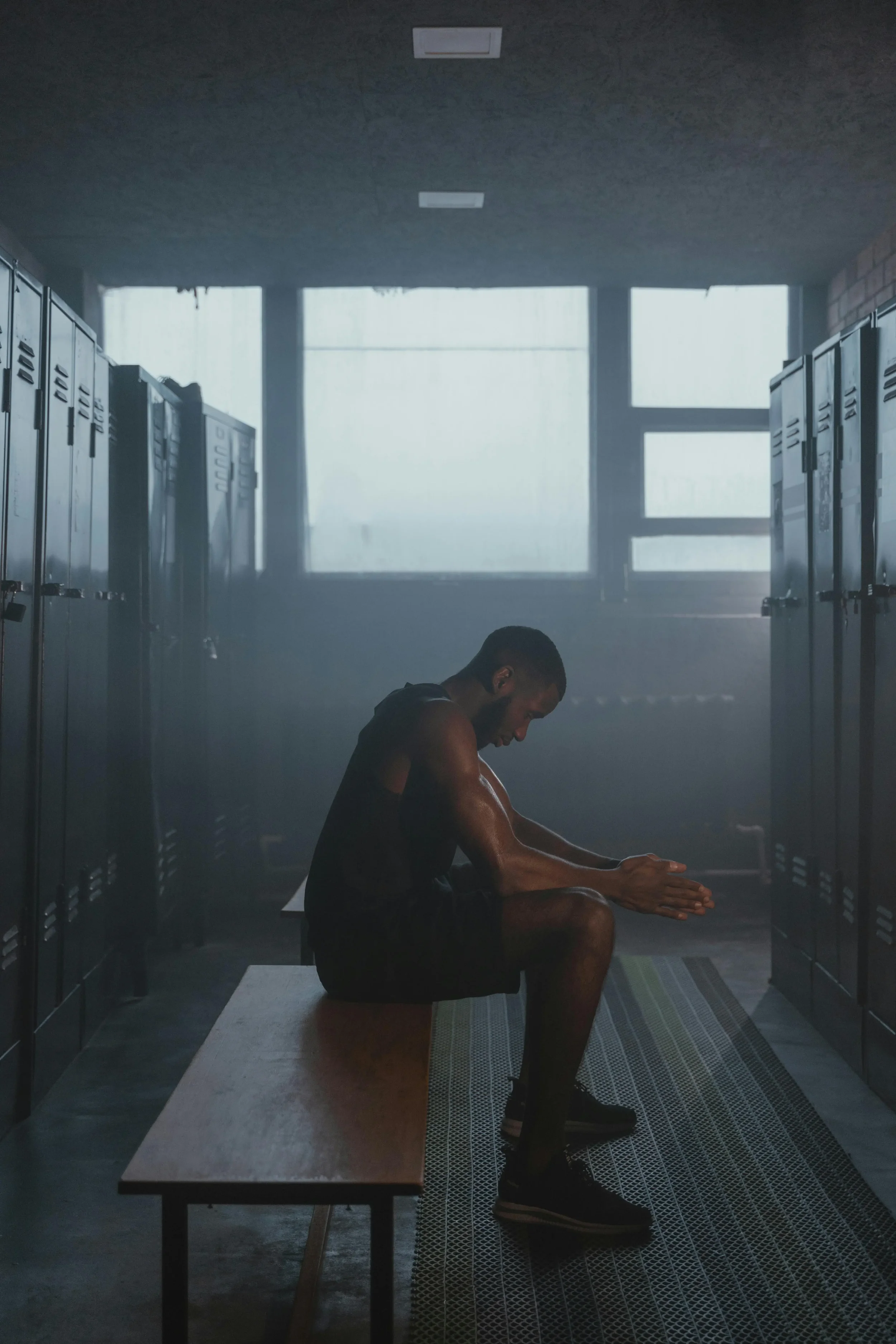
Lonely — but familiar.
Here’s the harsh truth:
Some of you aren’t lonely because people don’t show up.
You’re lonely because you don’t let them.
You keep the mask on.
You deflect with humor.
You say “I’m good” before anyone can ask the second question.
Then you go home and wonder why no one really knows you.
Let’s talk about the martyr trap.
Being “the strong one” comes with a payoff.
You get:
Respect
Dependence
Moral high ground
But the cost is steep.
Resentment builds.
Anger leaks out sideways.
And eventually you start thinking:
After everything I’ve done for everyone… how am I still alone?
That’s not a mystery.
That’s math.
Strength without honesty turns into self-betrayal.
You don’t get points for carrying everything quietly.
You don’t get rewarded for suffering politely.
And no one gives you a medal for never asking.
All that happens is this:
You become indispensable —
and invisible.
Here’s what real strength actually looks like.
It looks like saying:
“I need help”
“I’m not okay”
“I can’t keep being the reliable one right now”
And letting the room respond.
Yes — some people will fail you.
Good.
Now you know who was only there for the performance.
Read this twice:
If you never let people see you struggle,
don’t be surprised when they don’t know how to show up.
That’s not blame.
That’s responsibility.
Final word (Malik-style):
Stop romanticizing loneliness as strength.
If you want connection, you have to risk being seen.
If you want support, you have to stop acting invincible.
If you want depth, you have to put something real on the table.
Being the strong one kept you alive.
But it might be the very thing keeping you isolated.
Decide which season you’re in.
— Malik
A Small Tool That Helps You Stop Performing Strength
One thing that makes this shift easier is using conversation or reflection prompt cards.
Not affirmations.
Not journaling homework.
Just simple prompts that help you practice honesty without having to “find the right words” first.
These decks are designed to surface real feelings, boundaries, and needs — without turning vulnerability into a performance. You can use them alone or with someone you trust. Either way, they create a pause. A moment where you don’t have to be capable, composed, or impressive.
You just have to be real.
And sometimes, that’s the strongest place to start.

I’m Malik Jordan.
I write about discipline, presence, and the quiet confidence that comes from choosing depth in a loud world.
Explore more posts, check out the shop, or subscribe below.